Pla Ra: The Soul of Isan Cuisine
A jar of fermented fish can carry a season’s catch into the months ahead. In Isan, it also gives green papaya salad, herb-filled soups and chilli relishes their savoury depth.
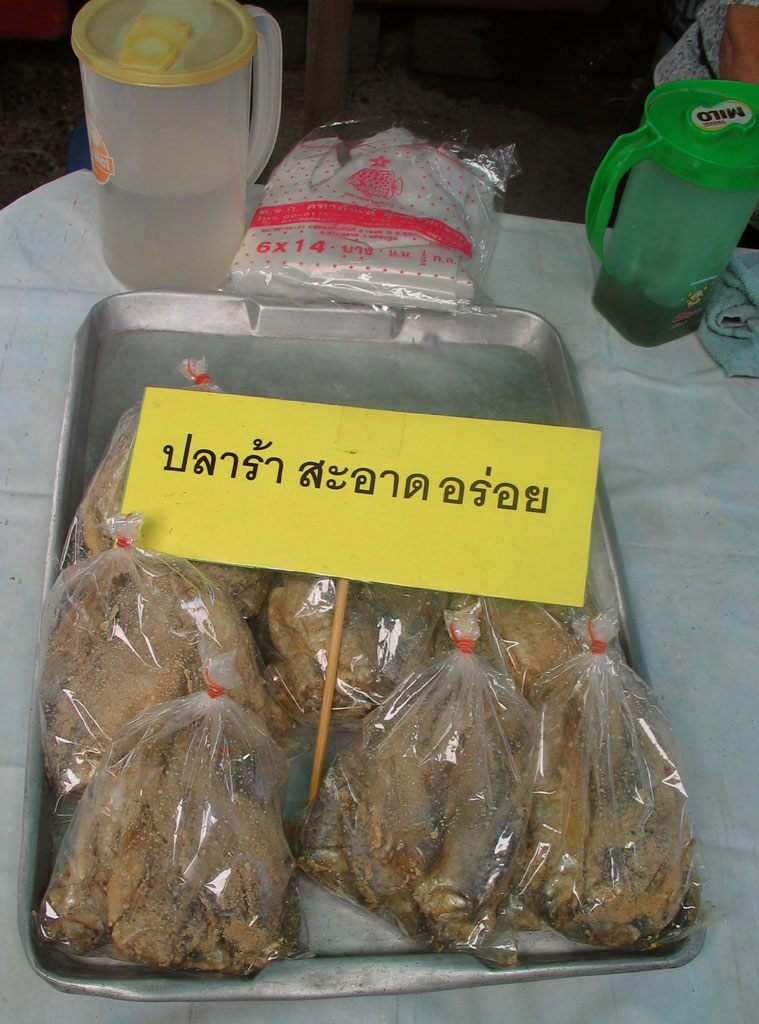
In a plate of som tam pla ra, the crunch of green papaya comes first. Lime cuts through the dressing, chilli builds with each bite, and underneath it all is a savoury depth that lingers. That last taste comes from pla ra (ปลาร้า), the fermented fish seasoning known in Isan as pla daek (ปลาแดก). Open a jar and its pungency is unmistakable. In the dish, a spoonful can bring the whole dressing together.[1]
Keeping the catch beyond its season
Pla ra begins with a practical question. How do you keep fish for the months when the catch is scarce? Salting and fermenting made a seasonal supply of freshwater fish available well beyond the day it was caught. The same process gave cooks an ingredient with a flavour of its own. In neighbouring Laos, the closely related condiment is known as pa daek (ປາແດກ).[2]
The Thailand Foundation points to a late seventeenth-century account by French envoy Simon de La Loubère that describes fish being fermented in earthen containers in Siam. It is a glimpse of fish preservation in the Ayutthaya era. The place and date of pla ra’s invention remain uncertain.[1]
What happens in the jar
In traditional preparations, cleaned fish is salted and combined with rice bran or ground roasted rice. It then matures in a covered container, often for months. As the fish ages, naturally occurring microbes help shape its aroma and taste. Depending on the batch, the saltiness can come with a tang or a pronounced savoury flavour known as umami.[2] [3]
That variation shows up close to home. In a 2021 study, researchers analysed five samples from northeastern Thailand, including three from Khon Kaen province, bought at markets in Nonmuang, Nong Ruea and Ban Thum. They found differences in salt levels, acidity and which bacteria were most common. The jars may share a name, but their contents vary.[3]
From the mortar to the table
In many Isan homes, families traditionally made their own pla ra and kept it in an earthenware jar called a hai (ไห). On days when there was little else to serve, a little pla ra could make a meal of sticky rice, fresh chillies and whatever vegetables were on hand. In other meals, the sauce gives green papaya salad a deep savoury base or rounds out the broth of kaeng om, an Isan soup fragrant with dill.[1] [6] [7]
Pla ra from the jar can also become pla ra bong (ปลาร้าบอง), a chilli relish for dipping vegetables or eating with sticky rice. Here, bong names the relish. To make it, cooks can pound the aromatics in a mortar and work them into the cooked fermented fish. Lemongrass brings a citrusy fragrance, while shallots and garlic soften the pungency of the fish and give the relish its own aroma.[8] [9]
Trying pla ra safely
A strong aroma is characteristic of pla ra. To choose a product, check the label, storage instructions and condition of the package. The Thai Food and Drug Administration advises cooking pla ra thoroughly before eating it, because raw or undercooked fermented fish can carry liver flukes and other hazards. For a salad served fresh, ask whether the pla ra sauce was cooked before it went into the mortar. For bottled sauce, follow the label’s instructions for preparation and storage.[4] [5]
Order som tam pla ra with sticky rice, take a bite of each, and notice what lingers after the lime and chilli. The savoury finish has its beginnings in a jar put aside for another season.
Sources
- Thailand Foundation, “Pla Ra: Thai Fermented Fish”
- Japan International Research Center for Agricultural Sciences, research summary on the role of salt and long fermentation in Thai and Lao fermented fish
- Rodpai et al. (2021), study of fermented fish from northeastern Thailand, PLOS ONE
- Thai Food and Drug Administration, consumer guidance on eating pla ra safely (Thai)
- Thai Food and Drug Administration, advice on cooking, packaging and buying pla ra (Thai)
- Kok Pla Siew Subdistrict Administrative Organization, local food traditions of Isan (Thai)
- Mahasarakham University, doctoral thesis on food traditions in northern Isan (2013, Thai)
- Kwang Jone Subdistrict Administrative Organization, local knowledge archive, section 7.2 on making pla ra bong (Thai)
- Isan dictionary, entry for bong (Thai)